Land
Why We Chose the Eastern Himalayas for Château Aarav
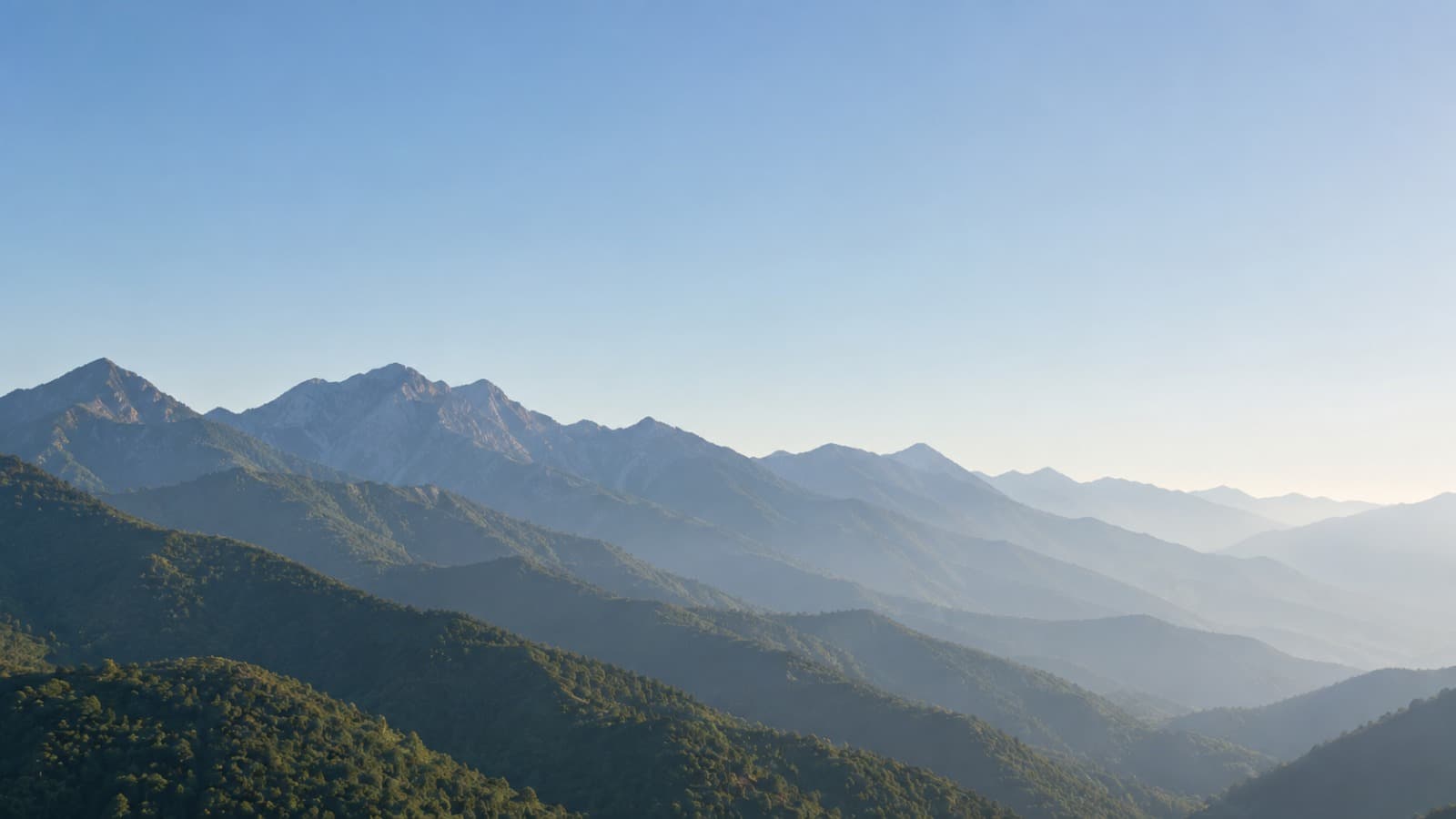
Before the first bottle, there is the land. At Château Aarav, our journey begins in the Eastern Himalayan foothills of Pedong, Kalimpong.
August 19, 2026 · 6 min
Estate
August 27, 2026 · 8 min
Every great estate begins with a dream. For Château Aarav, that dream began far from home.
Our journey into wine did not begin with a vineyard of our own. It began with curiosity, a willingness to learn and a desire to understand what exists behind every bottle of wine.
Although our roots are in India, one of the most important chapters of our journey began thousands of kilometres away, in California, USA. There, our founder, Abdul Salim, completed an internship at Wild Diamond Vineyards, gaining hands-on experience in viticulture and winemaking.
Working among the vines changed the way we understood wine. It showed us that a bottle is the result of much more than what happens inside a winery. It begins in the soil, with the vines, the seasons, the climate and the people who care for the vineyard.
It was during this experience that a simple thought began to take shape: perhaps one day, we could create a vineyard of our own.
At that time, there was no Château Aarav. No vineyard. No estate. No bottle carrying our name. There was only an idea—and the understanding that there was still a great deal to learn.
That desire to learn eventually brought us to Germany, where wine became an important part of both our professional and personal journey.
We had the privilege of working as an Assistant Sommelier under Maître Sommelier Christophe Meyer. His knowledge, guidance and support played an important role in shaping the way we understand wine today.
We learned to look beyond what is inside the bottle—to consider the vineyard, the vintage, the people, the decisions and sometimes the years of work behind what eventually reaches the glass.
Our curiosity then took us further through the great wine regions of Germany, France, Spain and Italy. We visited wineries and vineyards, met people dedicated to their craft and experienced different landscapes, traditions, grape varieties and approaches to wine.
But strangely, the farther we travelled, the more we found ourselves thinking about home.
Why not India?
Why not the Eastern Himalayas?
We did not want to return to India simply to copy Bordeaux, Burgundy, Tuscany, Germany or California. Those places had already taught us something more important: a great wine should belong to its own place.
We wanted to take what we had learned from the world's established wine regions and begin discovering what our own land could become.
“What began as a thought far from home is now taking root in the Eastern Himalayas.”
Slowly, the dream that first appeared among the vines in California found its way home to the Eastern Himalayan foothills of India.
That dream became Château Aarav.
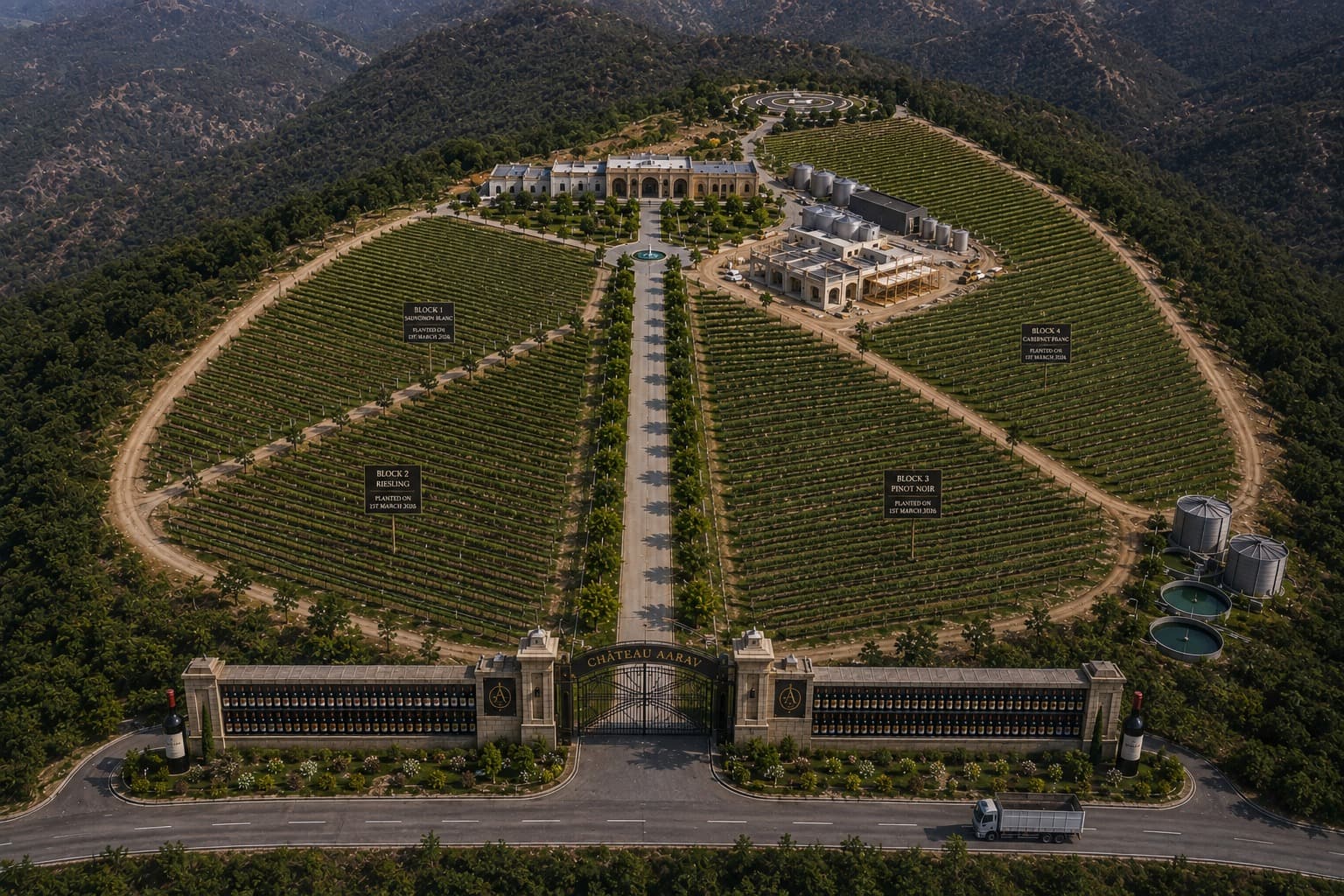
Today, Château Aarav is taking root in Pedong, Kalimpong, West Bengal, where our young vineyard is being developed within the distinctive landscape of the Eastern Himalayas.
Our vineyard is planted with Vitis vinifera and currently includes four carefully selected varieties: Riesling, Sauvignon Blanc, Pinot Noir and Cabernet Franc. Each variety has its own place within our vision, and each gives us another opportunity to understand how vines can express the character of this mountain environment.
But Château Aarav is about more than grape varieties and vineyard blocks. The name itself carries a deeply personal meaning.
The name Aarav is inspired by our founder's mother's name. For us, it was never going to be simply the name of a business. Our journey has taken us far from home, but everything we have been able to pursue began with the values, strength and support received from family.
We wanted the estate to carry a reminder of those roots. Château Aarav is our way of saying thank you—a tribute to where we come from, to the journey that brought us here and to something we hope will continue long after us.
Today, we are still at the beginning.
There is no long history for us to tell yet. There are young vines, land to understand, mistakes still to make, lessons still to learn and many seasons ahead of us.
And we do not want to rush any of it.
Our first harvest is expected around 2030, but the first bottle will come only when we believe the vineyard and the wine are ready. We believe great wine requires patience, and that anything worth leaving behind takes time.
The estate we are building today is therefore not only about what we can produce tomorrow. It is about creating something with enough foundation, character and purpose to endure for generations.
Perhaps that is the greatest lesson wine has taught us: time is not something to overcome. It is something to respect.
What began as a thought far from home is now taking root in the Eastern Himalayas.
This is only the beginning of Château Aarav.
Rooted in the Himalayas. Crafted for generations.
Continue Reading
Land
Before the first bottle, there is the land. At Château Aarav, our journey begins in the Eastern Himalayan foothills of Pedong, Kalimpong.
August 19, 2026 · 6 min
Vineyard
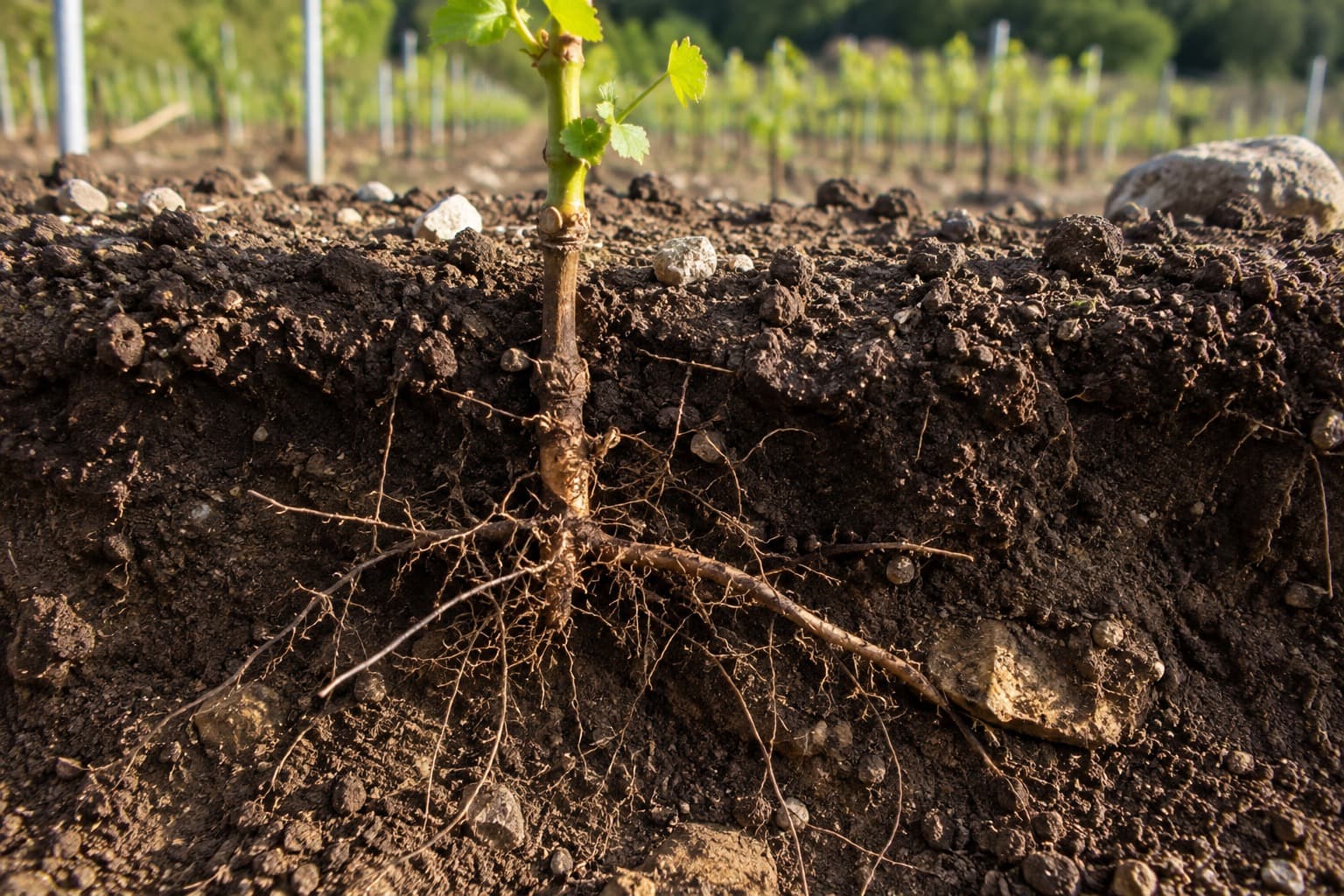
Our journey has just begun. With young vines taking root in the Eastern Himalayan foothills, we are choosing patience over speed and understanding over scale.
August 19, 2026 · 6 min

Stories
Meet Abdul Salim, known as Salim Aarav, the founder and proprietor of Château Aarav, whose journey from India to California and Europe ultimately led him back to the Eastern Himalayas.
August 27, 2026 · 8 min