Land
Why We Chose the Eastern Himalayas for Château Aarav
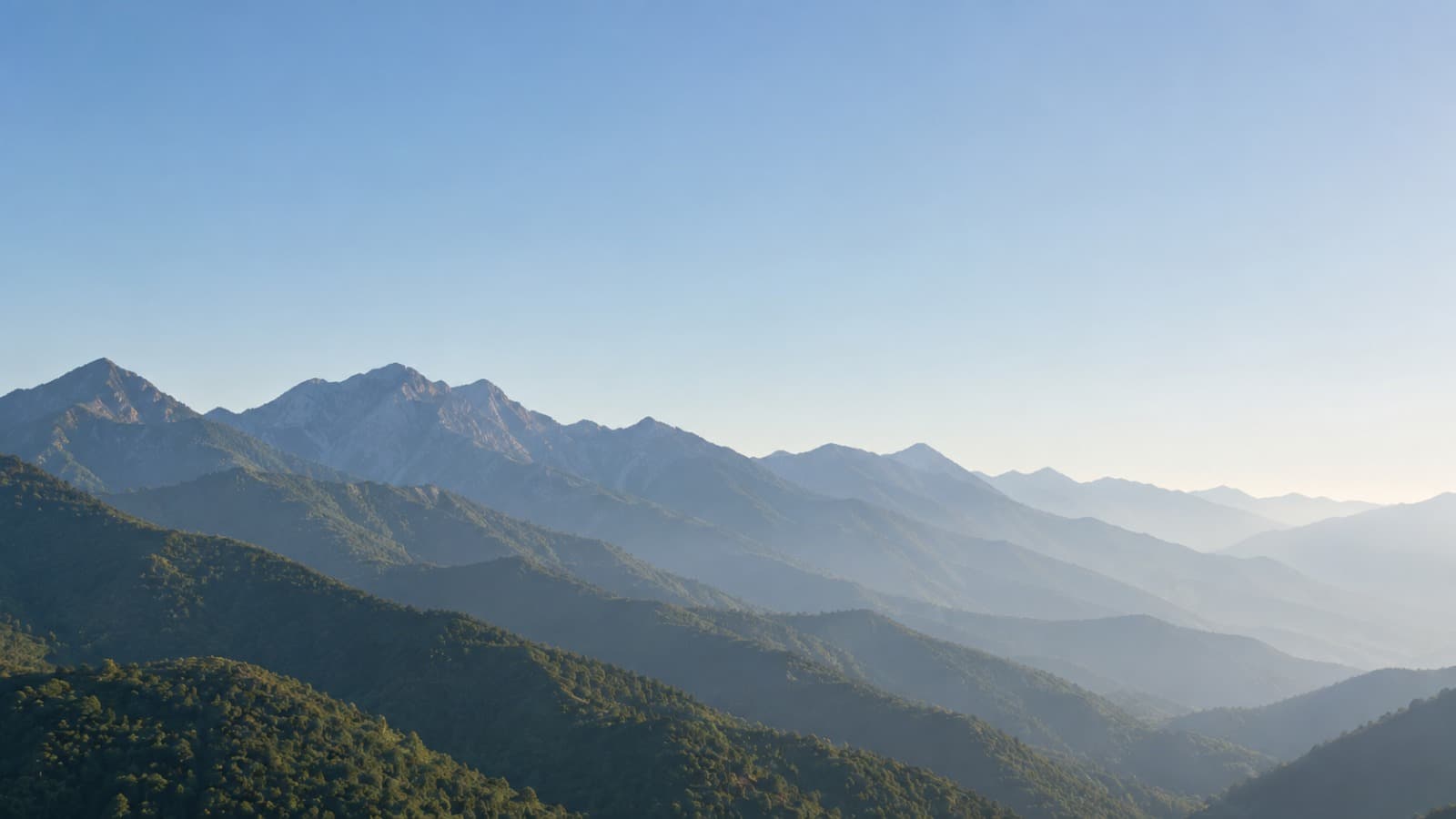
Before the first bottle, there is the land. At Château Aarav, our journey begins in the Eastern Himalayan foothills of Pedong, Kalimpong.
August 19, 2026 · 6 min
Land
August 19, 2026 · 7 min
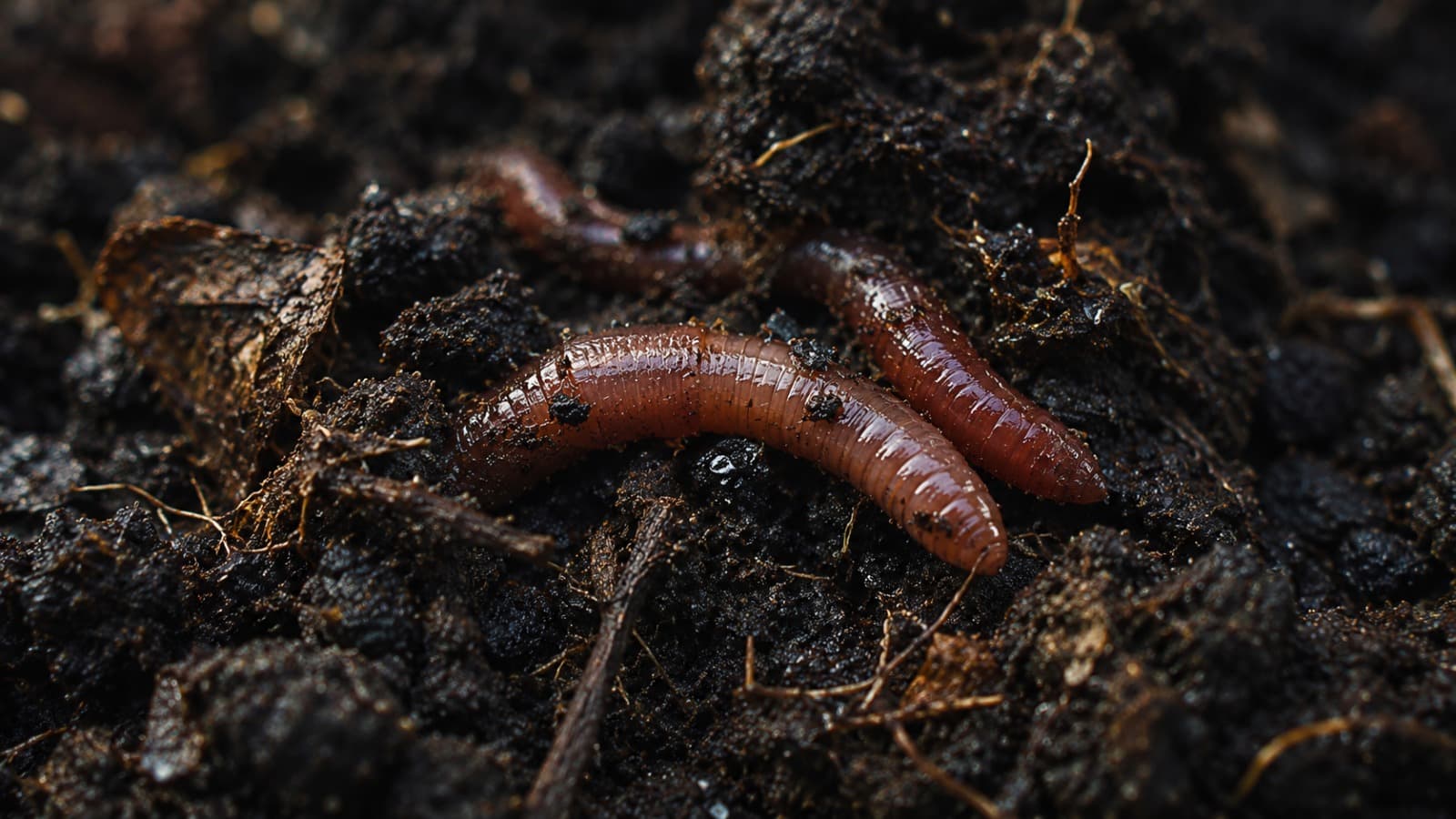
Healthy vines begin with healthy soil. Long before a grape reaches the cellar, its journey begins beneath the ground, where roots establish themselves and begin their relationship with the land.
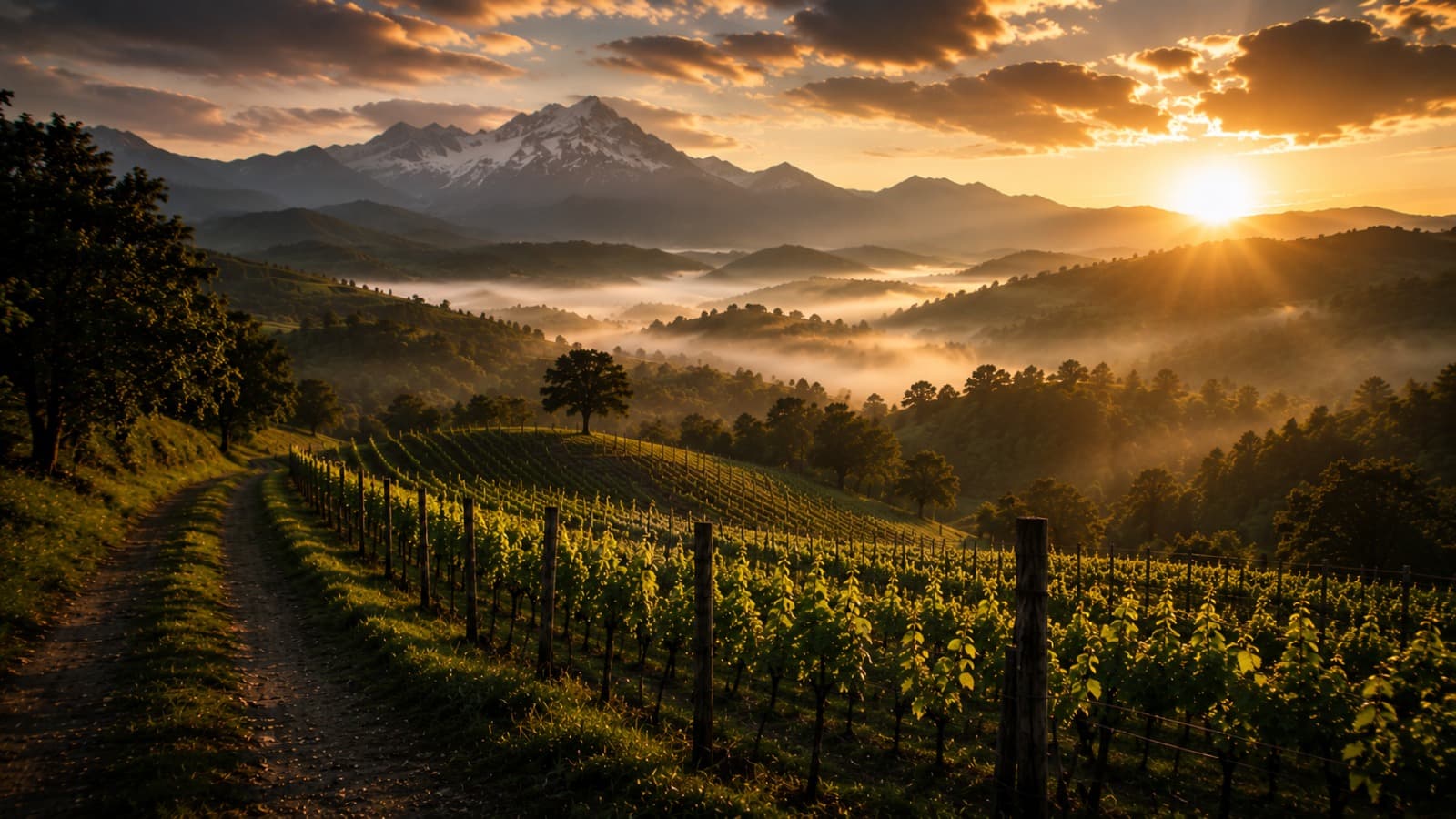
At Château Aarav, our estate lies in the Eastern Himalayan foothills of Pedong, Kalimpong, at approximately 1,240 metres above sea level. The surrounding landscape of mountains, forests, seasonal rainfall and changing weather patterns creates a distinctive natural environment for our young vineyard.
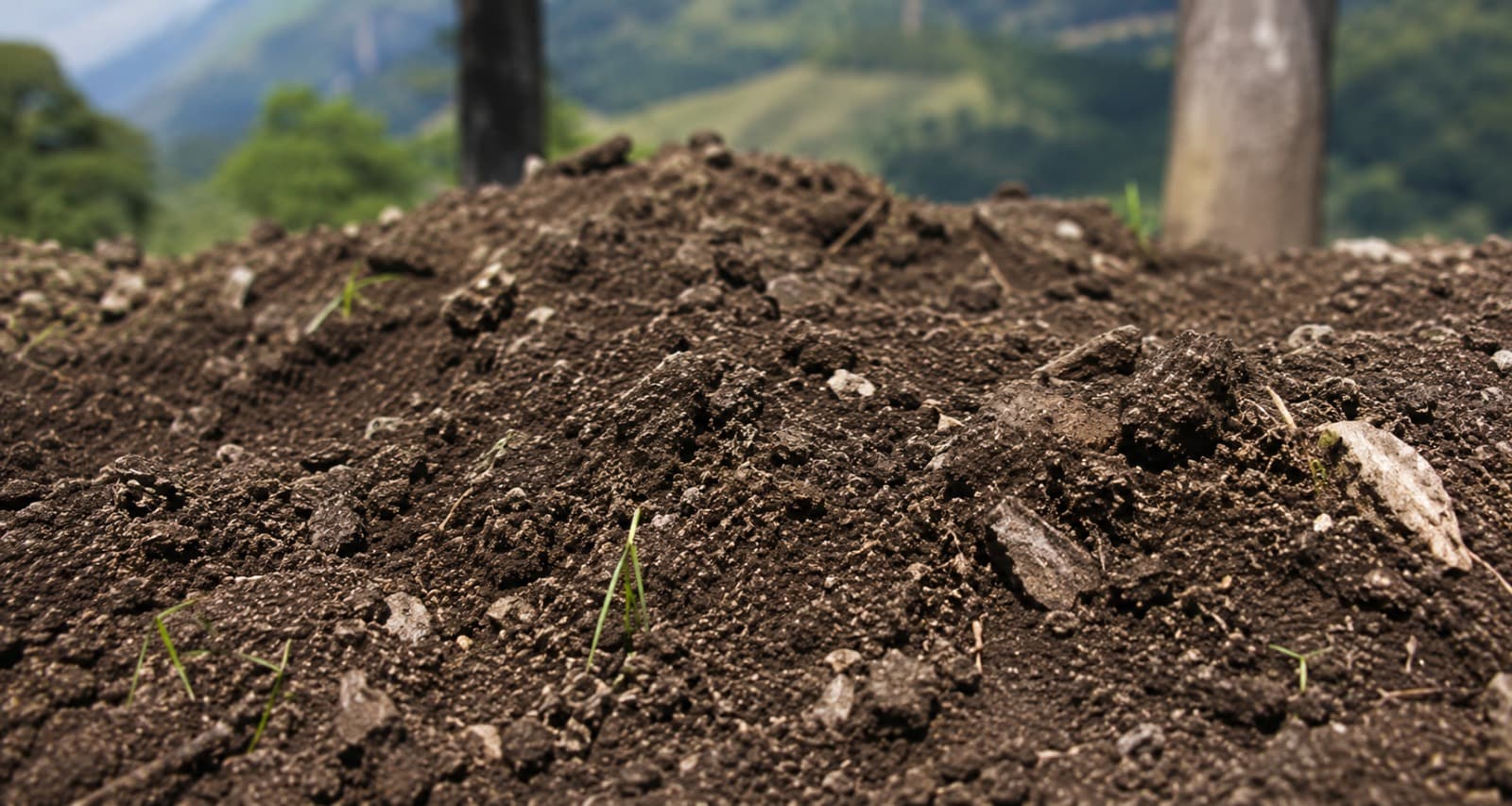
The soils surrounding our estate are generally characterised by Brown Forest Soils, Sandy Loam, Clay Loam, Weathered Stone Fragments and Organic Forest Matter. Together, these elements create naturally structured mountain soils that support root development while contributing to the biodiversity beneath the vineyard.
But soil is not simply something vines grow in. For us, it is a living part of the vineyard and one of the foundations of its identity.
Our four vineyard blocks are planted with four different grape varieties: Pinot Noir in the Founder Block, Sauvignon Blanc in the Morning Mist Block, Riesling in the Mountain Breeze Block, and Cabernet Franc in the Legacy Block.
As the vineyard matures, we will continue to study each parcel through professional soil analysis. Our aim is to understand how the individual characteristics of each block influence vine growth and how we can adapt our cultivation practices accordingly.
We believe that responsible cultivation begins with listening to the land. Rather than treating the entire vineyard in exactly the same way, we want our decisions to reflect what each block actually needs.
“We believe soil is not simply where our vines grow. It is where every vintage begins.”
The surrounding forest and natural landscape are also an important part of this relationship. Organic forest matter, native vegetation, insects and birdlife contribute to a wider ecosystem that exists alongside our vines.
The geology of the Eastern Himalayas has been shaped by ancient natural forces over immense periods of time. Weathered stone and mineral-rich geological material form part of the landscape beneath and around our vineyard, creating another layer of the story we are beginning to understand.
Much of this work is invisible. There is no photograph of a root quietly establishing itself beneath the soil, or of the gradual changes taking place underground through the seasons. Yet these unseen processes will ultimately influence the health and character of the vineyard.
Our vines are still young. They are establishing their roots, learning their surroundings and preparing for the years ahead. Our first harvest is expected around 2030, but the foundation for that harvest is being built today.
We do not expect to understand everything about our soil in a single season. It will take observation, analysis, experience and time. That is part of the journey we have chosen.
For us, every vintage will begin with a conversation between vine, soil, climate and season. Our responsibility is to listen carefully enough to understand that conversation.
Because before there is a grape, there is a vine. Before there is a vine, there are roots. And before those roots can grow, there is the land.
At Château Aarav, we believe soil is not simply where the vineyard begins.
It is where every vintage begins.
Continue Reading
Land
Before the first bottle, there is the land. At Château Aarav, our journey begins in the Eastern Himalayan foothills of Pedong, Kalimpong.
August 19, 2026 · 6 min
Land
Every bottle begins long before the cellar. At Château Aarav, it begins with the landscape, soil, climate and character of the Eastern Himalayan foothills.
August 19, 2026 · 6 min
Land
Terroir is the invisible fingerprint of a vineyard—the relationship between land, climate, soil, altitude, biodiversity and the people who care for it.
August 19, 2026 · 6 min