Land
Why We Chose the Eastern Himalayas for Château Aarav
Before the first bottle, there is the land. At Château Aarav, our journey begins in the Eastern Himalayan foothills of Pedong, Kalimpong.
August 19, 2026 · 6 min
Land
August 19, 2026 · 6 min
Terroir is the invisible fingerprint of every vineyard.
It is difficult to see and impossible to define through a single element. For us, terroir is the relationship between geology, soil, climate, altitude, rainfall, biodiversity and human understanding.
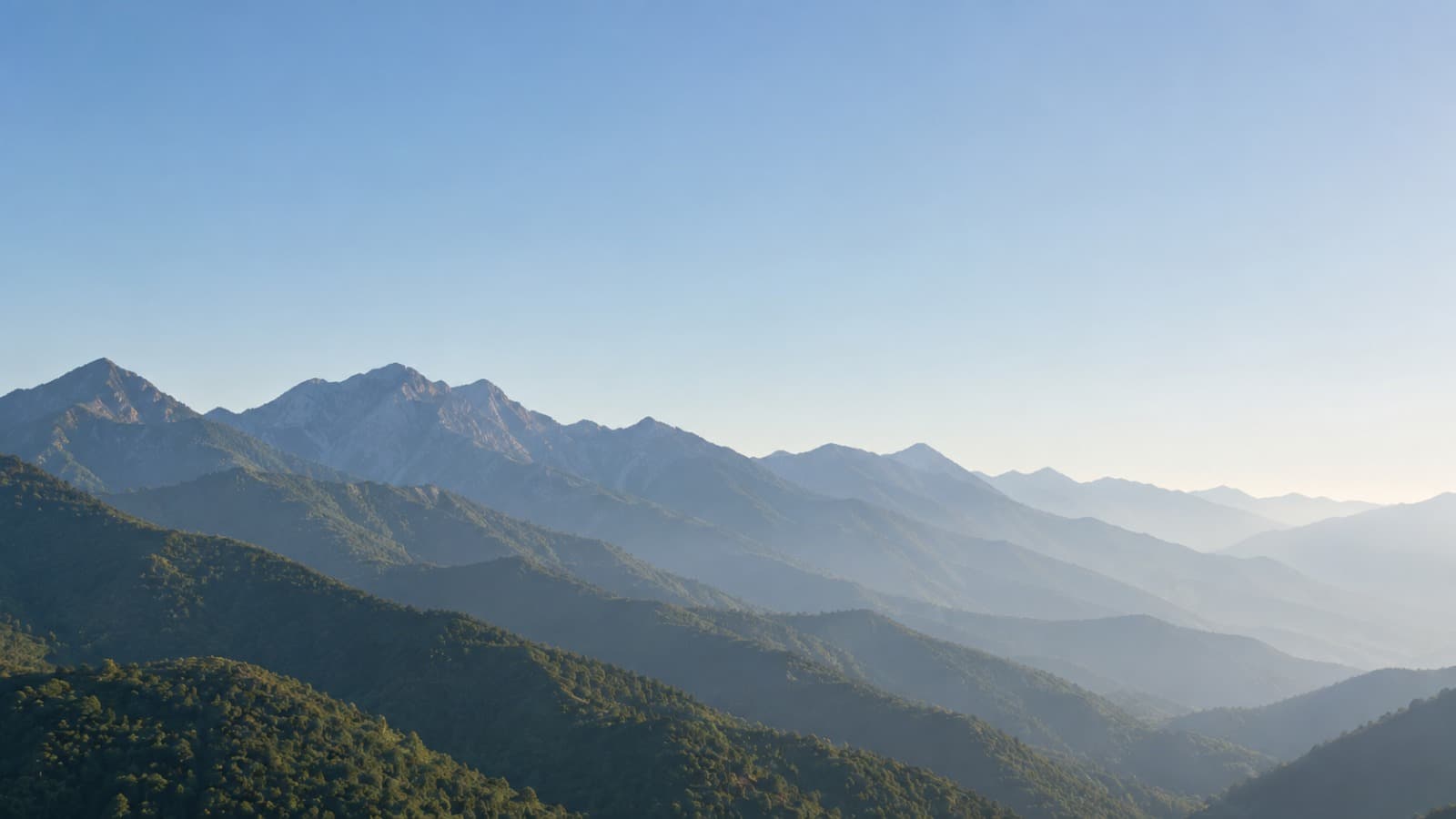
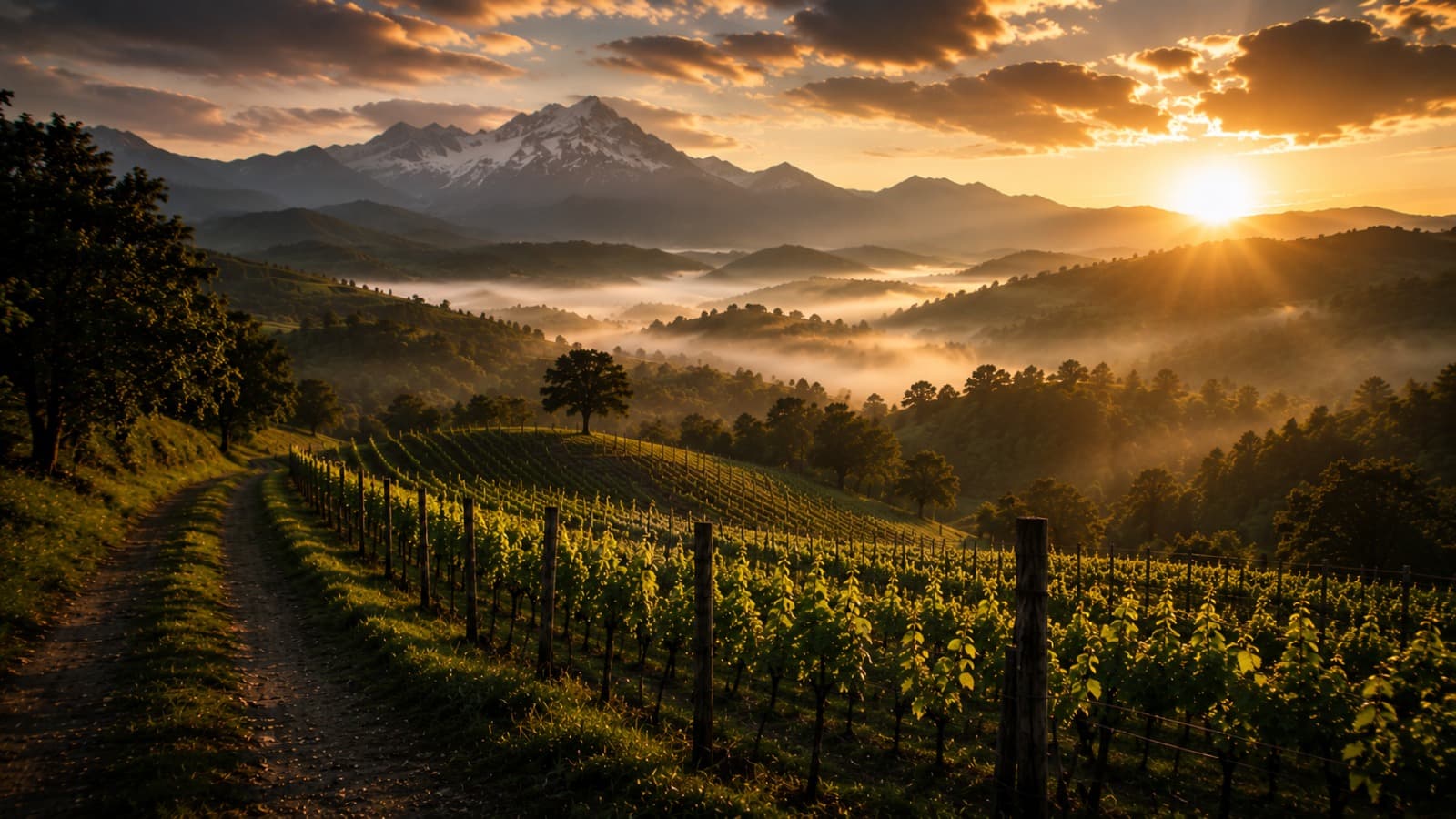
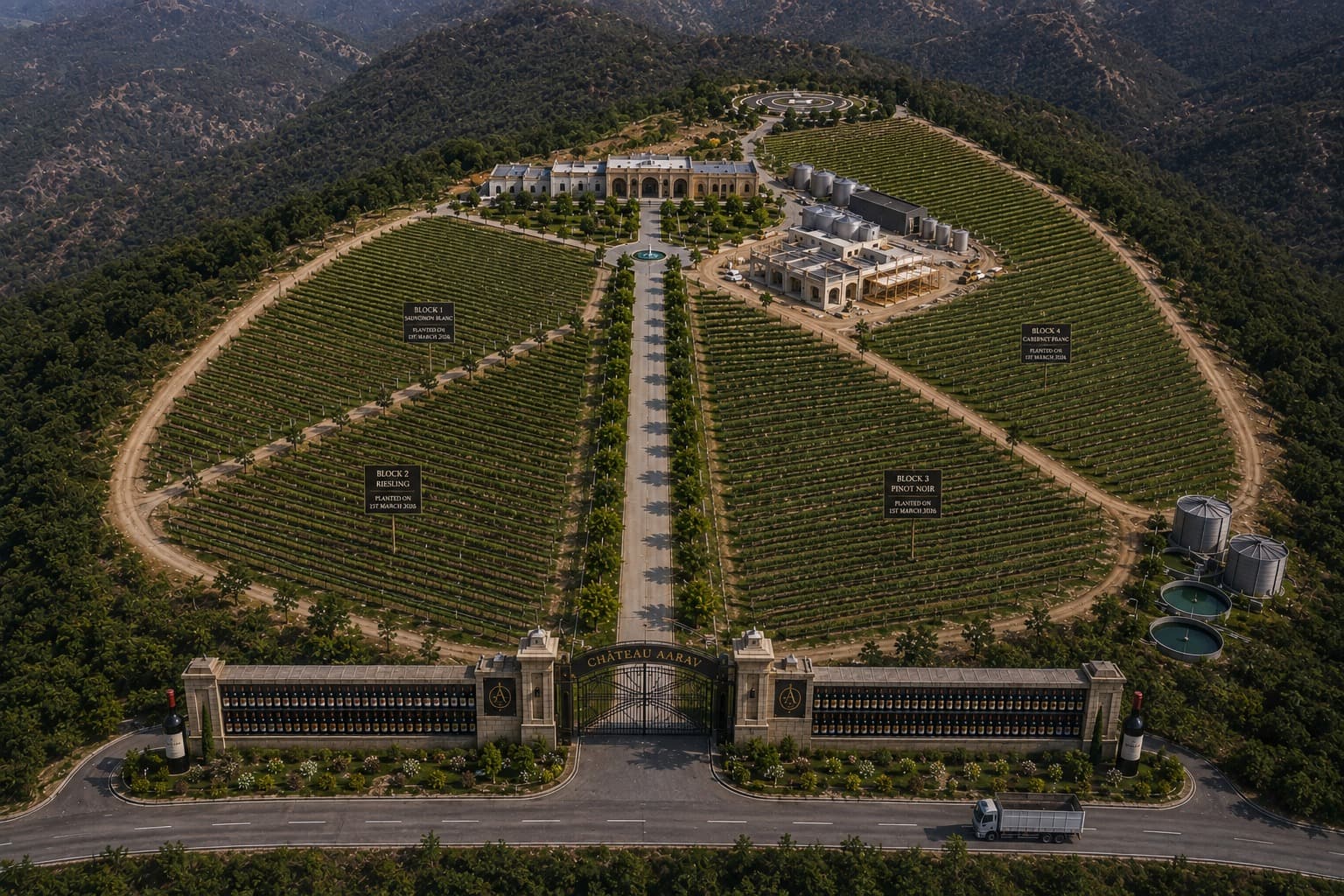
At Château Aarav, that relationship begins in the Eastern Himalayan foothills of Pedong, Kalimpong, West Bengal. Our two-hectare estate sits at approximately 1,240 metres above sea level, surrounded by mountain landscapes, forests, fresh air and changing seasons.
The altitude brings cool mountain nights and moderate daytime conditions, encouraging a slower rhythm of ripening. Seasonal rainfall and mountain airflow become part of the natural environment in which our vines grow.
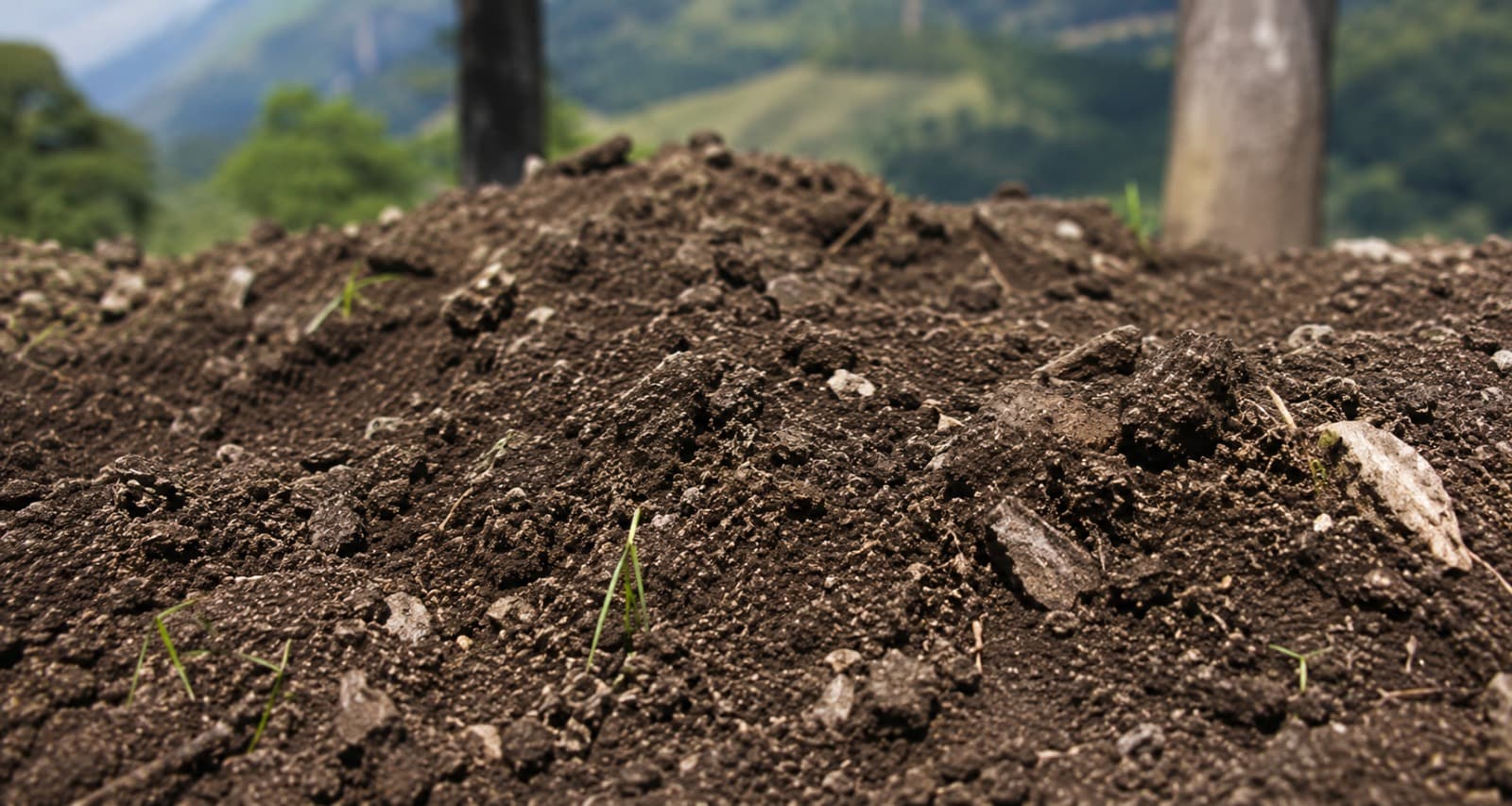
Beneath the vines, the soils of the surrounding landscape are generally characterised by Brown Forest Soils, Sandy Loam, Clay Loam, weathered stone fragments and organic forest matter. These elements form part of the foundation from which our young vines are beginning to establish themselves.
But terroir is not simply soil.
The same soil can behave differently under different climatic conditions. The same grape variety can express itself differently at different elevations, in different seasons and under different patterns of rainfall. This is why understanding a vineyard requires looking at the relationship between all these elements rather than studying them in isolation.
Our four vineyard blocks give us an opportunity to explore that relationship closely. Pinot Noir grows in the Founder Block, Sauvignon Blanc in the Morning Mist Block, Riesling in the Mountain Breeze Block, and Cabernet Franc in the Legacy Block.
Each variety brings its own characteristics, but our intention is not to impose a predetermined style on the vineyard. We want to observe how each variety responds to this particular landscape and what it can reveal about its place of origin.
“Our goal is not to recreate another wine region. It is to allow our own landscape to speak through every vintage.”
This is where human understanding becomes part of terroir.
The land does not simply tell us what to do. We have to learn how to listen. We walk the vineyard, observe the vines, study the soil and watch how each season changes the estate. As the vineyard matures, professional soil analysis and continued observation will help us understand each block more deeply.
Our approach is therefore not about controlling every variable. It is about understanding what we can, respecting what we cannot control, and making thoughtful decisions that allow the vineyard to express itself honestly.
We are not trying to recreate Burgundy or Bordeaux in India. We are not trying to make the Eastern Himalayas resemble another famous wine region.
Our goal is much simpler, and perhaps much more difficult.
We want to allow our own landscape to speak through every vintage.
That means accepting that every year may be different. Weather will change. Rainfall will vary. The vines will mature. The soil will continue to evolve. Each vintage will carry the conditions of the season in which it was grown.
Our first harvest is expected around 2030, and there is still much for us to learn before that day arrives.
But perhaps that is what makes terroir so fascinating. It is not something we can fully understand in a single season. It reveals itself slowly, through years of observation, patience and experience.
At Château Aarav, we do not want to tell the land what it should become.
We want to listen carefully enough to discover what it already is.
Continue Reading
Land
Before the first bottle, there is the land. At Château Aarav, our journey begins in the Eastern Himalayan foothills of Pedong, Kalimpong.
August 19, 2026 · 6 min
Land
Every bottle begins long before the cellar. At Château Aarav, it begins with the landscape, soil, climate and character of the Eastern Himalayan foothills.
August 19, 2026 · 6 min
Estate
A dream that began among the vineyards of California eventually found its way home to the Eastern Himalayas, becoming the foundation of Château Aarav.
August 27, 2026 · 8 min